This thread is resolved. Here is a description of the problem and solution.
Problem:
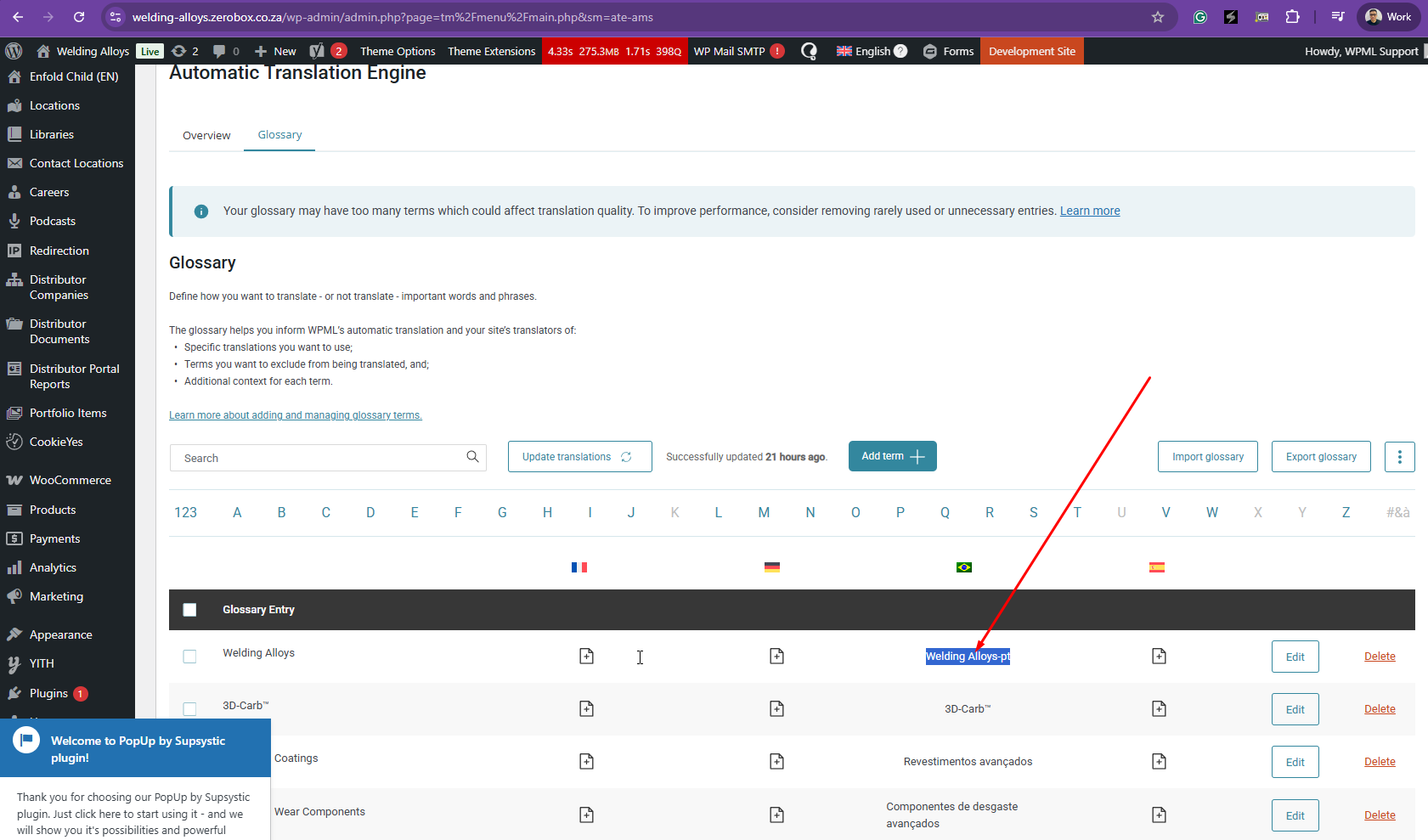
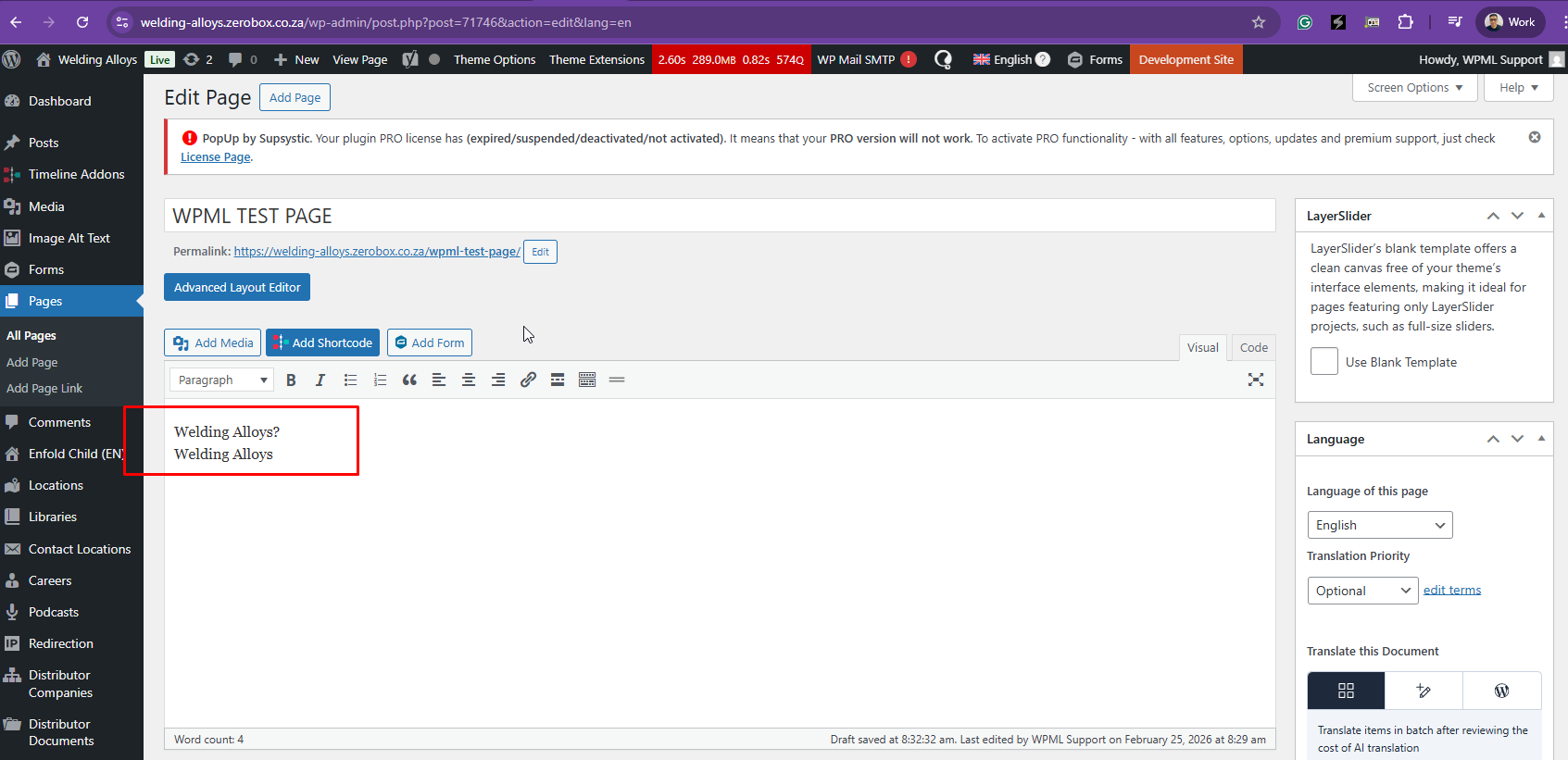
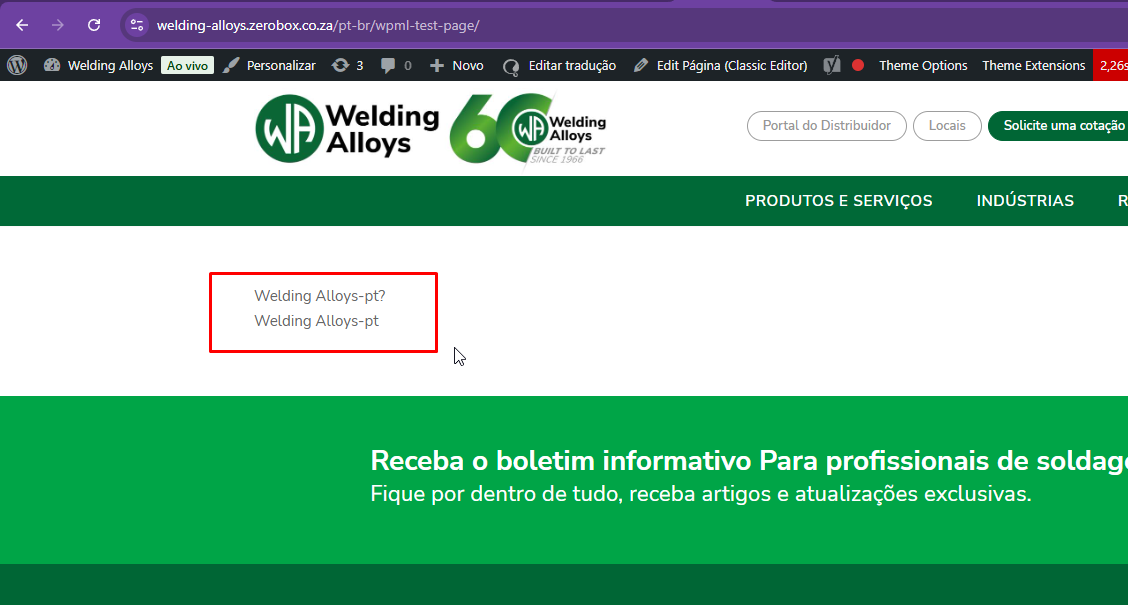
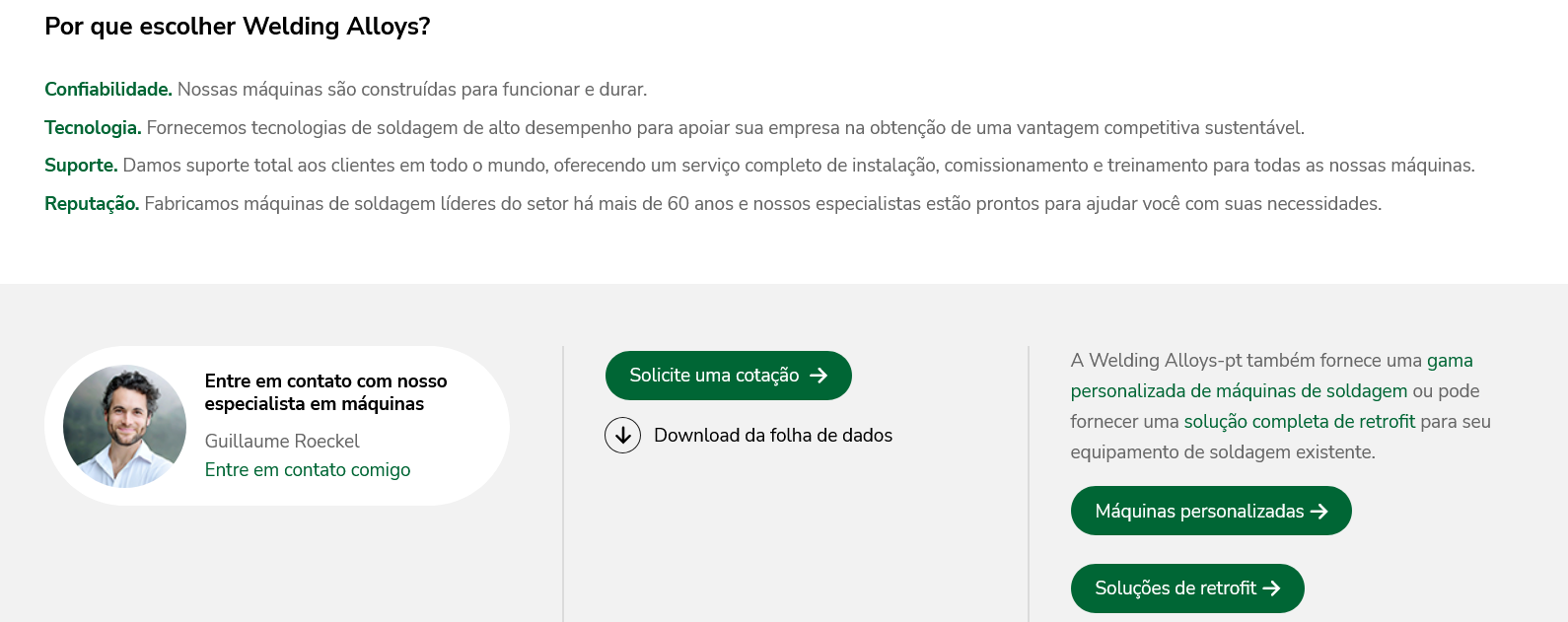
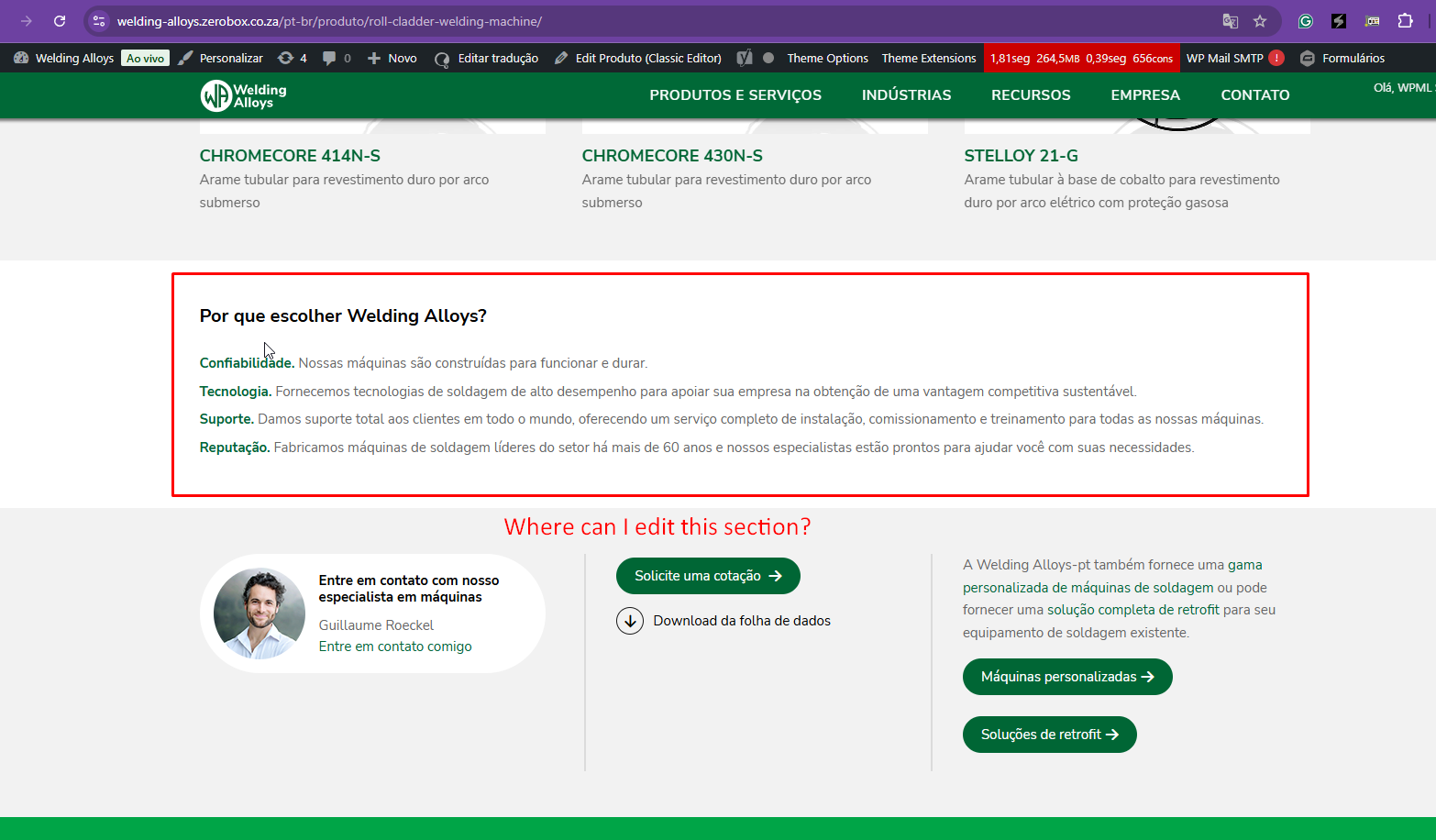
The client reported an issue where deleted glossary terms were still being "cached" and applied in translations, despite being removed from the glossary.
Solution:
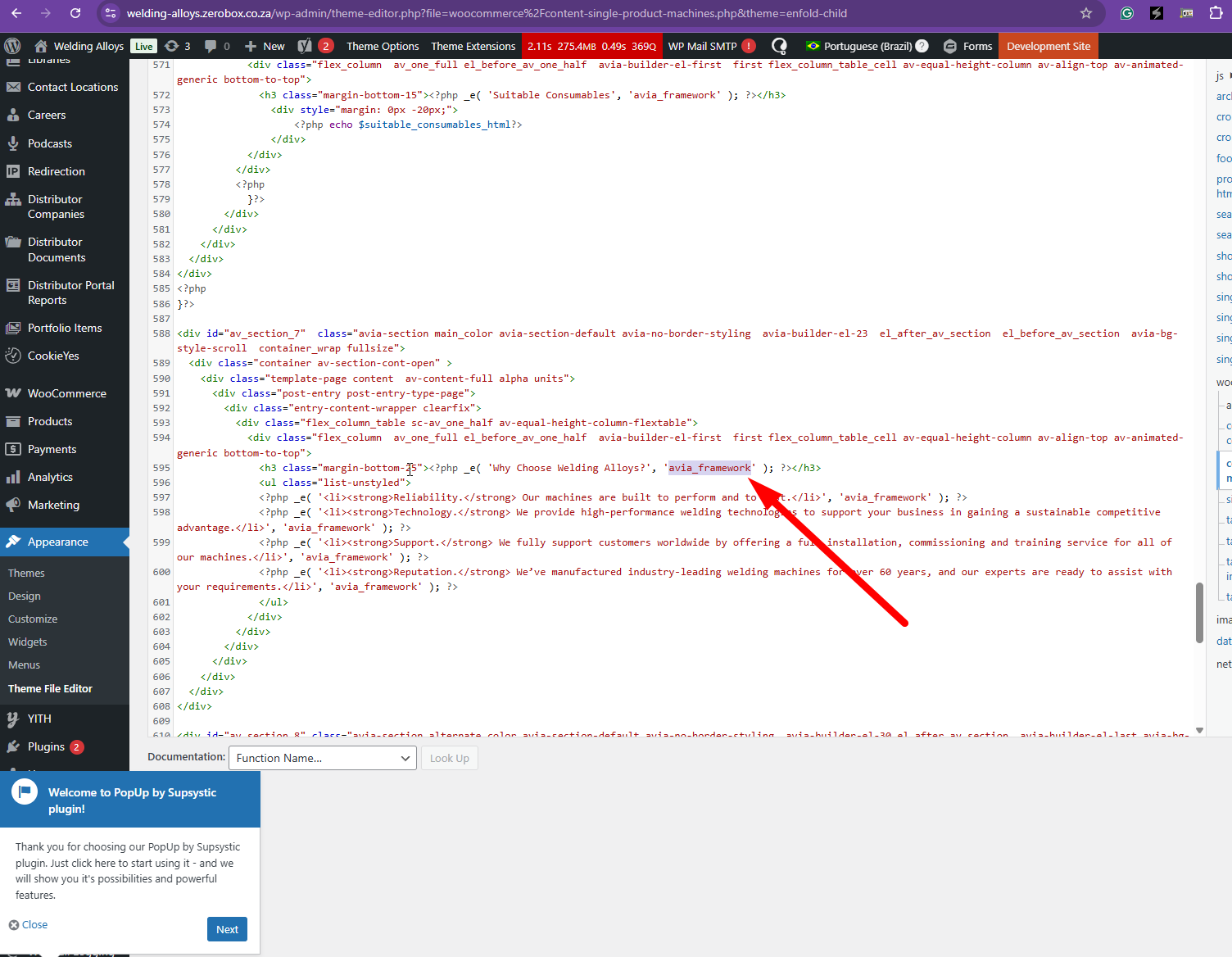
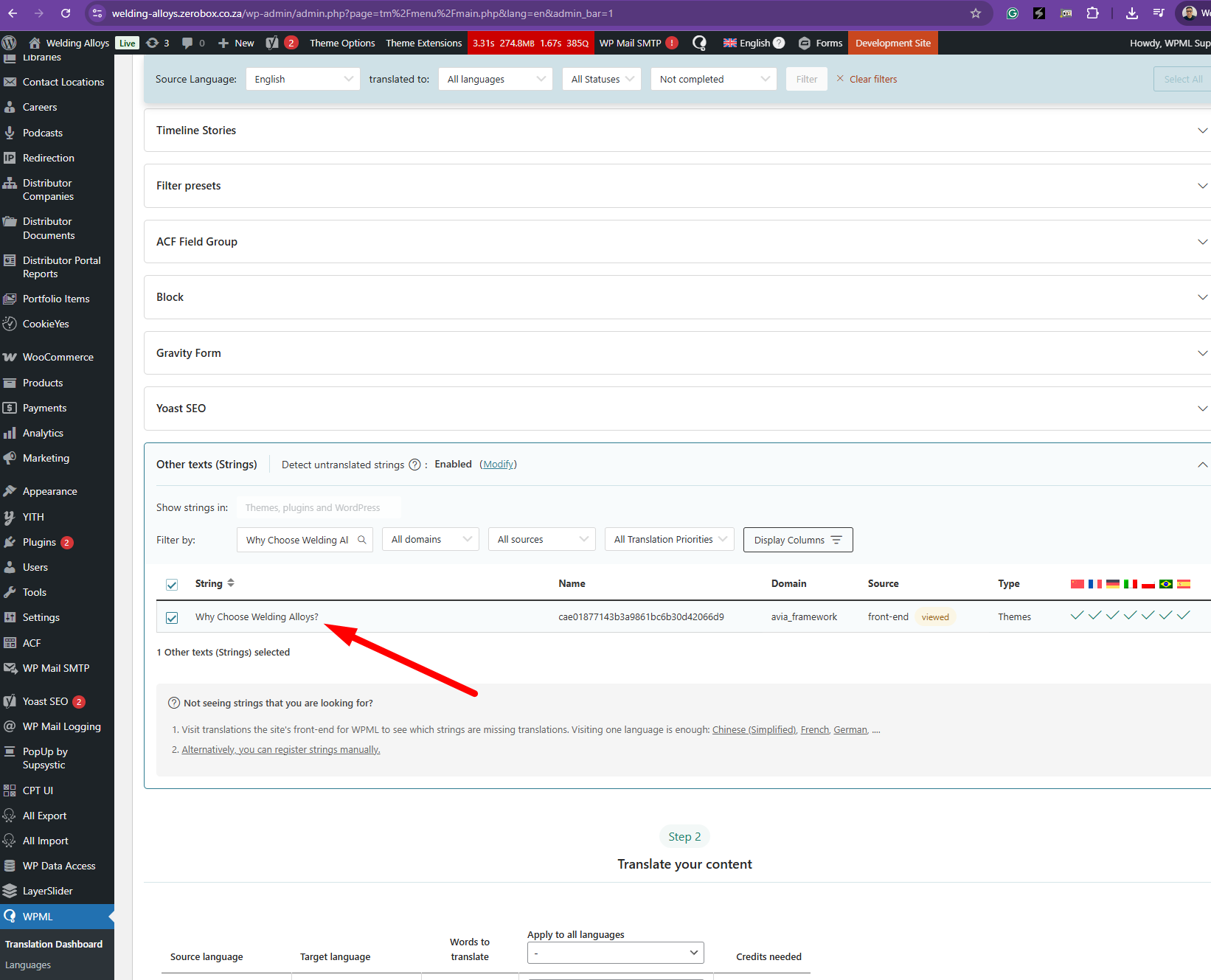
We advised the client to ensure that the content was not coming from a template but directly from the product content itself. After confirming that the section was indeed added via a template, the client was able to edit the relevant file and retranslate the string. This resolved the issue, and the glossary terms were applied correctly after retranslation. If you're experiencing similar issues, we recommend checking if the content is coming from a template and ensuring that all strings are sent for translation through the Translation Dashboard.
Please note that this solution might be outdated or not applicable to your specific case. We highly recommend checking related known issues at https://wpml.org/known-issues/, verifying the version of the permanent fix, and confirming that you have installed the latest versions of themes and plugins. If the issue persists, please do not hesitate to open a new support ticket at WPML support forum.
This is the technical support forum for WPML - the multilingual WordPress plugin.
Everyone can read, but only WPML clients can post here. WPML team is replying on the forum 6 days per week, 22 hours per day.
This topic is split from https://wpml.org/forums/topic/split-glossary-translation-has-random-capitalization/